Pyramid of Djoser, or step pyramid (kbhw-ntrw in Egyptian) is an archeological teacher Bjbana Saqqara, Egypt, north-west of the city of Memphis. Bnay during the 27 century BC for the burial of Pharaoh Djoser built by his vizier Imhotep. The teacher is the primary group funeral in the vast courtyard surrounded by a huge ceremonial structures.
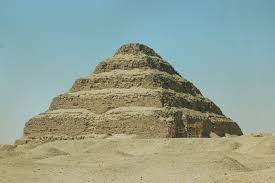
The first Egyptian pyramid consists of six terraces built on top of each other in what was from the developments that have occurred in the original plan. Height of the pyramid 62 meters (203 feet), with the presence of Hadahibmessahh 109 × 125 m (358 × 410 ft), and was covered with polished white limestone. The pyramid structure of the first stone at the time, although the yard known as the bridge manager seems to be already building the pyramid.
Outward appearance:
Most of the outer shell of the pyramid you go, and at some points the main sections of the building also disappeared, it is clear that there were various stages of construction, it appears the best shape of the pyramid from the east side.
After the construction of the third phase, began the process to make it a pyramid real, and Kdastkhaddmt more than 200,000 tons of stones to build Almustptin additional figs and placed above the four, the maker of it a pyramid with six degrees, and then added the face of the limestone white on the north side of the pyramid.
Pyramid is one of the most important effects of the eternal rest of the ancient Egyptians where the first thing that should be talking about is the bench this first terrace when it was built for the first time has been built in order to be just a bench built of local stone covered with a layer of limestone was a height of about 26 feet and displayed 207 feet
Installation procedure:
King burial chamber built of granite. During excavations in the period from 1924-1926, was found on the statue of King Djoser in the burial chamber. The statue was deformed but coherent, and is now displayed in the Cairo Museum and the pyramid, there are a number of spin-off lanes that emerge from the vestibule President and up to rooms carved into the ground.


References :
Harry Adès A Traveller's History of Egypt(Chastleton Travel/Interlink, 2007)
Lehner، Mark (1997). The Complete Pyramids. New York: Thames and Hudson
The first Egyptian pyramid consists of six terraces built on top of each other in what was from the developments that have occurred in the original plan. Height of the pyramid 62 meters (203 feet), with the presence of Hadahibmessahh 109 × 125 m (358 × 410 ft), and was covered with polished white limestone. The pyramid structure of the first stone at the time, although the yard known as the bridge manager seems to be already building the pyramid.
Outward appearance:
Most of the outer shell of the pyramid you go, and at some points the main sections of the building also disappeared, it is clear that there were various stages of construction, it appears the best shape of the pyramid from the east side.
After the construction of the third phase, began the process to make it a pyramid real, and Kdastkhaddmt more than 200,000 tons of stones to build Almustptin additional figs and placed above the four, the maker of it a pyramid with six degrees, and then added the face of the limestone white on the north side of the pyramid.
Pyramid is one of the most important effects of the eternal rest of the ancient Egyptians where the first thing that should be talking about is the bench this first terrace when it was built for the first time has been built in order to be just a bench built of local stone covered with a layer of limestone was a height of about 26 feet and displayed 207 feet
Installation procedure:
King burial chamber built of granite. During excavations in the period from 1924-1926, was found on the statue of King Djoser in the burial chamber. The statue was deformed but coherent, and is now displayed in the Cairo Museum and the pyramid, there are a number of spin-off lanes that emerge from the vestibule President and up to rooms carved into the ground.
References :
Harry Adès A Traveller's History of Egypt(Chastleton Travel/Interlink, 2007)
Lehner، Mark (1997). The Complete Pyramids. New York: Thames and Hudson


No comments:
Post a Comment